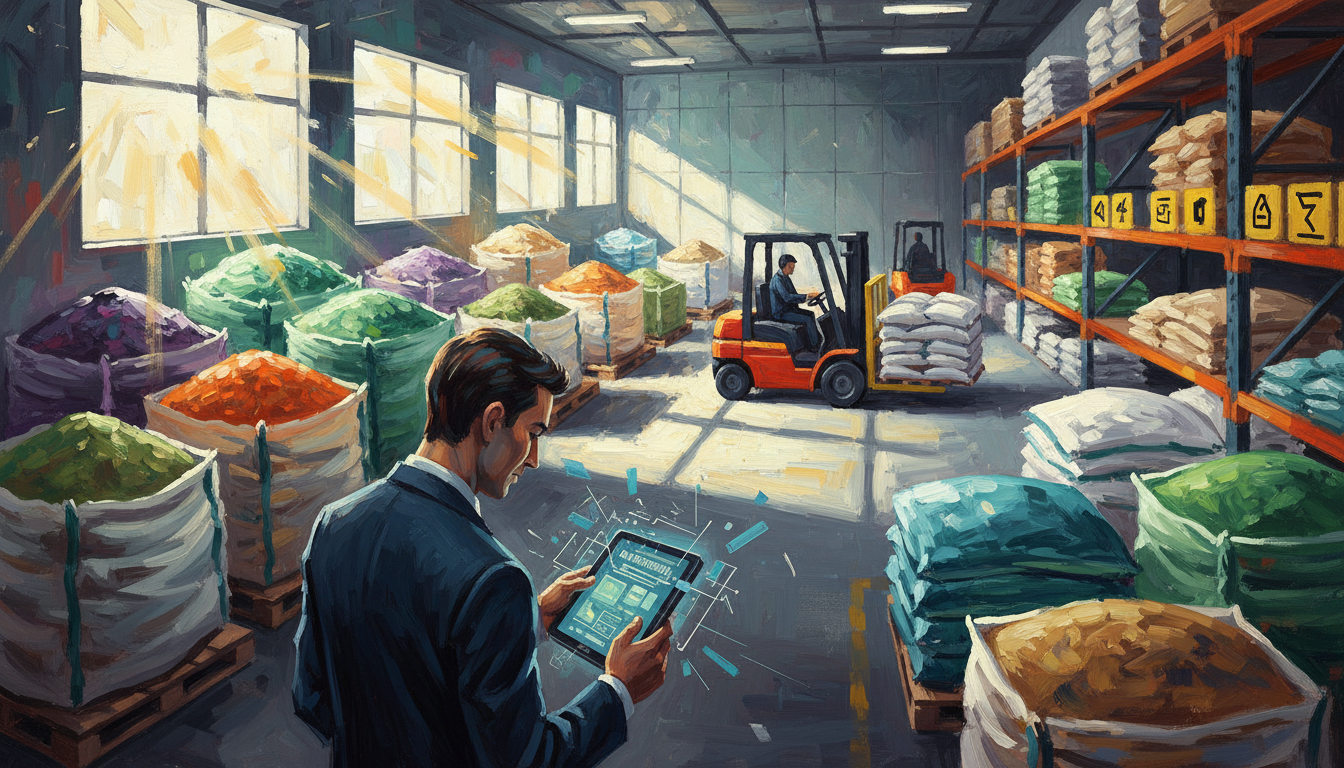
We introduce how modern ERPs help track bulk fertilizer and organic materials across the agricultural supply chain. Our goal is to show how data and systems streamline production, transportation, and market delivery.
We outline practical ways to keep crops and inputs moving with minimal waste. By using clear metrics and real-time data, we help farmers and managers make better decisions about field operations and logistics.
In this article, we examine how integrated systems create value by reducing delays and controlling quality. We also explain how management tools limit price changes and protect both producers and consumers.
Key Takeaways
- ERP tracking improves visibility from production to market.
- Real-time data reduces costly changes in pricing.
- Integrated logistics and transportation boost delivery efficiency.
- Better management supports farmers and strengthens the overall market.
- Optimizing these systems adds clear value to agricultural products.
Understanding the Modern Agricultural Supply Chain
We describe the flow of food and raw materials through today’s linked farm-to-market systems. This network moves crops and inputs between producers, processors, and buyers while protecting food safety across diverse food systems.
The agri network must adapt quickly to weather shocks and shifts in demand. Those changes affect farmers’ income and how the industry balances production with market needs.
“Resilient networks keep goods moving and stabilize prices when external pressures hit.”
- We track how multiple supply chains coordinate to meet market requirements.
- We examine how different chains within the agriculture supply network maintain stability.
- We review how raw materials are managed so the agricultural supply stays consistent.
Core Components of the Agricultural Supply Chain
We trace how field practices and on-site decisions shape marketable crops. This overview connects farm origin points with the systems that add commercial value.
Farm Production and Crop Origination
On the farm we focus on seed choice, soil prep, irrigation, and harvest timing. These steps set yield potential and product quality.
Good on-farm handling reduces losses and makes later processing simpler. Farmers who standardize those steps help the whole network perform better.
Processing and Value Addition
Processing, grading, and value addition create uniform, safe goods that meet industry norms. Simple actions like cleaning, milling, and packing let us create value for markets.
Efficient storage and transportation keep crops fresh from production to the end user. By applying sustainable practices, we make production decisions that protect long-term viability.
“Clear origination and consistent processing are the backbone of reliable farm-to-market performance.”
- Seed selection and soil prep maximize yields and quality.
- Processing turns raw products into market-ready agricultural products.
- Coordination across multiple chains ensures resources flow where needed.
Tracking Bulk Fertilizer and Organic Materials in ERP Systems
We examine practical ERP features that keep organic inputs and large fertilizer lots accounted for in real time. These tools tie inventory, logistics, and quality control into one view so our teams can act quickly.
Digital Inventory Management
We use ERP modules to log batch numbers, weights, and storage locations for each consignment. This reduces manual counts and helps with accurate resource management.
Automated alerts notify us when stock falls below thresholds or when storage conditions deviate, so we avoid spoilage and meet production needs.
Real-time Logistics Tracking
GPS-linked tracking and timestamped transfers let us monitor movement from warehouse to farm. That visibility improves transportation planning and balances demand with available goods.
Ensuring Traceability and Quality Control
By integrating lab results and inspection records into the ERP, we maintain traceability for audits and customer requirements.
“Clear traceability and timely data give us confidence in decisions across the network.”
- Centralized records support compliance and faster recalls if needed.
- Data-driven workflows help farmers and industry partners make reliable production decisions.
Why Optimizing the Agricultural Supply Chain Matters
Efficient logistics and data systems reduce waste and boost value for farmers and markets.
We focus on how a well-run agricultural supply chain strengthens food security and fosters economic development in rural areas.
Better coordination lowers spoilage, preserves nutrition, and improves food safety for consumers.
Optimized systems also cut carbon emissions and lessen environmental pressure by reducing transit times and excess handling.
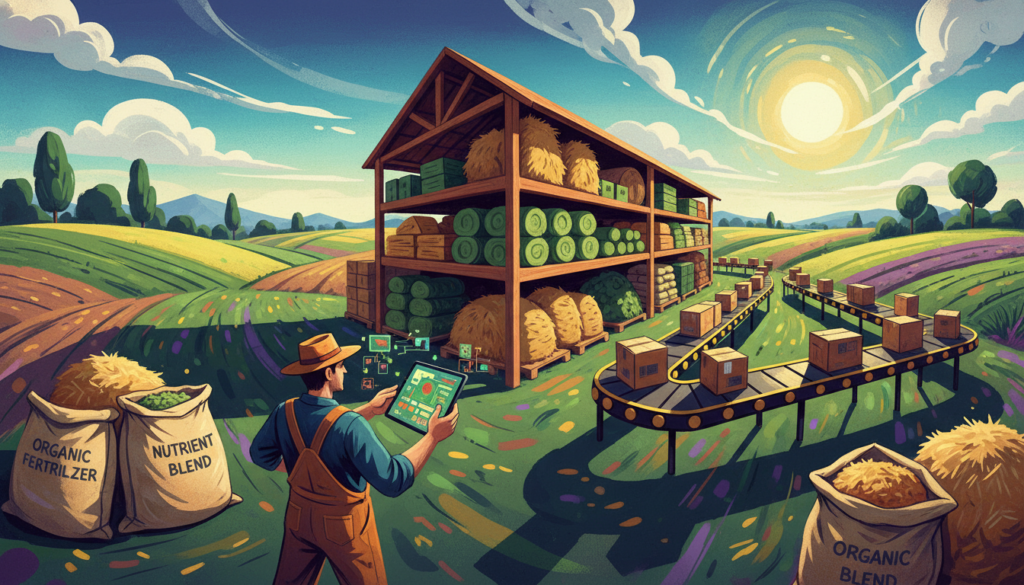
“Streamlined operations turn perishable production into reliable market offerings.”
- Faster movement from farm to market protects product quality and meets demand.
- Data-driven management links farmers to global food markets and supports development.
- Careful energy and waste management keeps production resilient when weather or demand shifts occur.
| Priority | Benefit | Metric | Impact |
|---|---|---|---|
| Logistics | Reduced transport time | Hours to market | Lower spoilage rates |
| Inventory systems | Real-time visibility | Stock accuracy (%) | Fewer stockouts |
| Energy & waste | Lower emissions | CO2 eq per ton | Improved sustainability |
Building Professional Skills for Future Operations
We focus on professional training that links on-farm operations with digital tools for better storage and transport.
Essential Training for Supply Chain Management
UniAthena offers a short Basics of Agricultural Logistics course (4–6 hours) that teaches core logistics and resource management skills. This course gives professionals a quick, practical way to gain a competitive advantage.
The Diploma in Agricultural Supply Chain & Inventory Management, certified by AUPD, runs 1–2 weeks. It covers storage, transportation, quality control, and data use in modern food systems.
- Hands-on modules for storage and transportation planning.
- Quality control and resource management workflows.
- Sustainable practices and data analytics for resilient operations.
“Targeted training turns tools into measurable improvements across operations.”
| Program | Length | Key Outcomes |
|---|---|---|
| Basics of Agricultural Logistics | 4–6 hours | Foundational logistics, resource management |
| Diploma: Inventory Management | 1–2 weeks | Storage, transportation, quality control, data skills |
| Continuing Workshops | 1–3 days | Sustainable practices, energy efficiency, systems tools |
Conclusion
Our final view stresses the role of clear data and skilled managers in keeping goods moving to market.
We show that strong management delivers a real competitive advantage and helps us create value for producers and buyers.
By meeting the practical needs of farmers, we support rural economic development and better global food outcomes.
This article offers concise, actionable content for professionals who want to improve the agriculture supply chain and boost long‑term resilience.